
Why Pressure Wash Your Home in Austin: Essential Benefits to Boost Value and Health
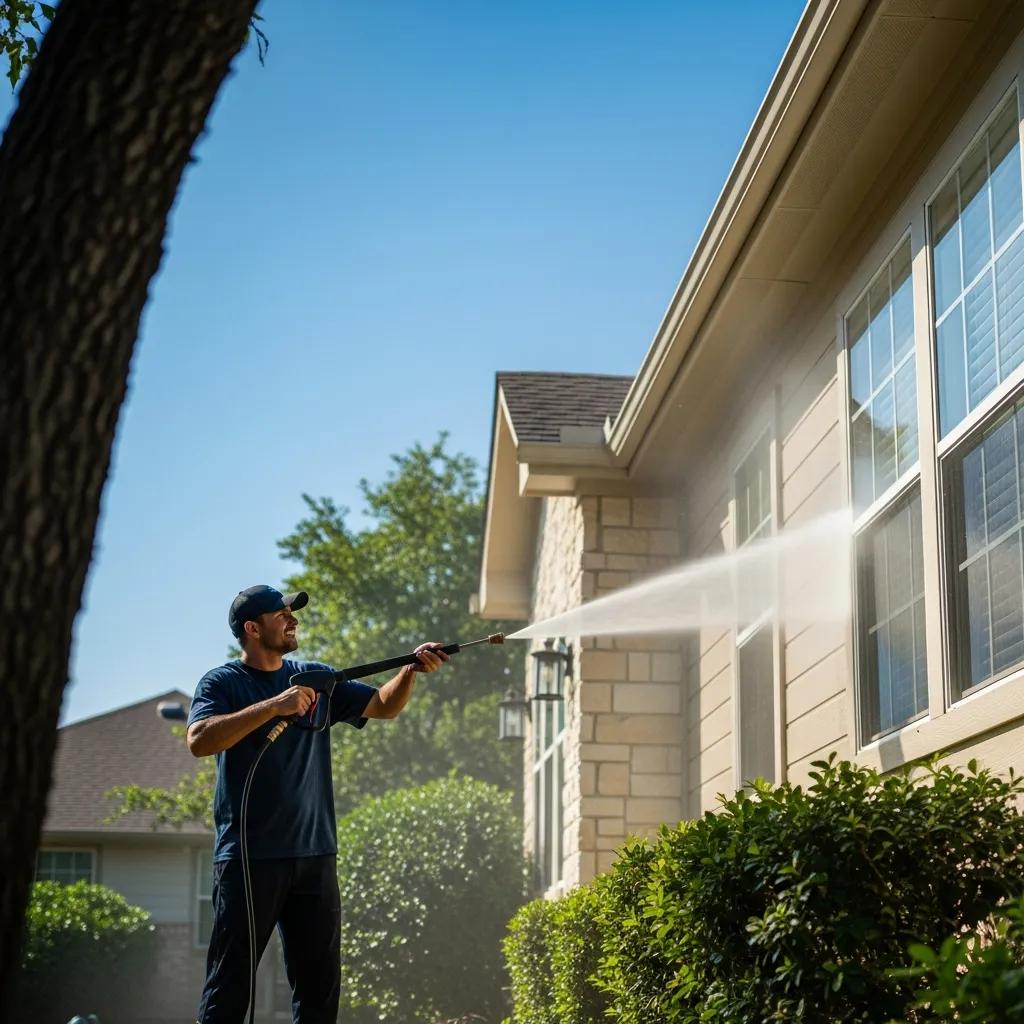
Pressure washing is a targeted exterior cleaning method that uses water under controlled pressure—and sometimes low-pressure chemical solutions—to lift dirt, organic growth, and airborne deposits from siding, roofs, driveways, and decks. In Austin’s humid, pollen-rich environment this service directly addresses the mechanisms that cause staining, material breakdown, and allergen accumulation, delivering visible improvements to curb appeal and measurable reductions in maintenance risk. This article explains why Austin homeowners should consider regular house washing and related exterior cleaning services, outlines how climate factors change cleaning needs, and compares professional methods like soft washing and pressure washing. Readers will learn the top practical benefits, the surfaces that need attention, the health and cost implications, seasonal timing for highest impact, and what to expect from local residential power washing providers. Throughout, terms like austin home pressure washing, reasons to pressure wash, and residential power washing Austin are used to connect local conditions with actionable maintenance steps. The next section begins by summarizing the primary benefits that make pressure washing a high-impact, cost-effective component of Austin property upkeep.
What Are the Key Benefits of Pressure Washing Your Austin Home?
Pressure washing delivers multiple, concrete benefits for Austin homeowners by restoring visual appeal, removing damaging biological growth, improving safety, preparing surfaces for renovation, and reducing long-term maintenance costs. The mechanism is straightforward: removing algae, mold, mildew, pollen, and accumulated dust prevents moisture retention and surface degradation while restoring original colors and textures that influence buyer perception. Below is a concise list of the primary benefits a homeowner can expect after a professional exterior cleaning service in Austin.
Pressure washing provides these key benefits:
- Boosted Curb Appeal: Clean siding and driveways immediately improve first impressions and perceived maintenance.
- Damage Prevention: Removing mold and algae reduces moisture retention that accelerates rot and material breakdown.
- Health Improvement: Eliminating surface allergens and mold reservoirs lowers exposure pathways into the home.
- Renovation Prep: Clean surfaces improve paint and sealer adhesion for longer-lasting results.
- Long-Term Savings: Preventative cleaning delays costly repairs and repainting cycles.
These benefits work together to protect both the appearance and structural condition of a property, and they lead naturally into a comparison of quantifiable outcomes for curb appeal and structural risk. To clarify trade-offs between cosmetic and structural benefits, the following table summarizes common entities, measurable outcomes, and risk reductions after a thorough exterior cleaning.
Different benefits of pressure washing can be compared by entity and outcome:
| Benefit Area | Measurable Outcome | Typical Impact |
|---|---|---|
| Curb Appeal | Visible restoration of siding/driveway color | Higher perceived value, better marketability |
| Mold & Mildew | Reduction in surface biomass and stains | Lower structural moisture retention and rot risk |
| Allergens | Decreased pollen and spore reservoirs near entries | Reduced allergen transfer indoors and into HVAC intakes |
| Surface Preparation | Improved adhesion for paint/sealants | Longer paint life and fewer reworks |
How Does Pressure Washing Enhance Curb Appeal and Property Value?

Pressure washing enhances curb appeal by visibly restoring siding, trim, driveways, and roofing to a cleaner, more uniform appearance, which directly affects buyer perception and listing photos. The mechanism is removal of surface staining and organic growth that mask original colors and fine textures; when these surfaces are cleaned, they project well-maintained upkeep and reduce perceived deferred maintenance. Industry observations suggest that a well-presented exterior improves marketability and can shorten time on market, while pre-listing cleaning is commonly recommended to boost showing outcomes. An Austin-specific example is removing heavy spring pollen and limestone dust from driveways and facades before listing, which improves visual contrast and conveys readiness to buyers. These visual improvements naturally lead into how cleaning prevents the material deterioration that undermines value over time.
The impact of a home’s appearance on its market value is a well-studied aspect of real estate economics.
Factors Influencing Residential Property Value
The problem of modeling the value ofresidential propertiesis becoming more and more urgent, since a high-quality forecast makes it possible to reduce risks, both for government bodies and for realtors specializing in the purchase and sale ofresidential properties, as well as for ordinary citizens who buy or sell apartments. Predictive models allow us to get an adequate assessment of both the current and future situation on the residential property market, to identify trends in the cost of housing and the factors influencing these changes. This involves both the qualitative characteristics of the particular property, and the general condition and the dynamics of the real estate market.
Problems of modeling the valuation of residential properties, 2020
In What Ways Does Pressure Washing Protect Your Home from Mold, Mildew, and Damage?

Pressure washing and controlled soft washing remove the organic films that trap moisture against wood, masonry, and roofing materials, interrupting the biological cycles that cause rot and paint failure. Mildew and algae retain water and secrete acids that slowly degrade finishes and wood fibers; removing them reduces continuous moisture exposure and slows chemical wear on coatings. Materials at highest risk in Austin include shaded wood siding, composite decks, and areas near landscaping that stay damp; targeted cleaning every 12–24 months for vulnerable surfaces is common preventative guidance. Regular removal of growth and grime also uncovers early signs of damage so homeowners can address issues before they escalate into structural repairs. Understanding the protective mechanics of cleaning prepares homeowners to choose appropriate cleaning methods for each surface.
How Does Austin’s Unique Climate Affect Your Home Exterior and Cleaning Needs?
Austin’s climate—characterized by warm temperatures, seasonal high humidity, significant pollen events, and localized limestone dust—creates persistent stress on exterior surfaces and raises the frequency and specificity of necessary cleaning. The mechanism behind this increased need is ecological: humidity and warmth accelerate growth of algae and mold in shaded areas, pollen coats horizontal and vertical surfaces reducing visual clarity, and limestone dust acts as an abrasive particulate that embeds in porous materials. Recognizing these environmental drivers helps homeowners plan seasonal cleaning windows and choose methods that remove deposited particles without harming delicate surfaces. The next subsection details the distinct effects of humidity, pollen, and local dust on various building materials and how each contaminant influences maintenance choices.
What Impact Do Humidity, Pollen, and Limestone Dust Have on Home Surfaces?
Humidity in Austin promotes biological growth on shaded siding and under eaves, creating dark streaks and slippery coatings on walkways that retain moisture and accelerate deterioration. Pollen seasons deposit sticky, yellow residues on windows, siding, and outdoor furniture, which attract dirt and make surfaces look older faster; this coating also increases allergen reservoirs around openings. Limestone dust and local soils are gritty and can abrade finishes, embed in mortar joints and pavers, and require more aggressive cleaning approaches on horizontal surfaces. Knowing which contaminant is dominant on a surface directs the cleaning method—soft wash for biological films, pressure and detergents for abrasive deposits—and sets expectations for how quickly re-soiling might occur. These contaminant effects point to optimal timing choices for scheduling services through the year.
When Is the Best Time to Schedule Pressure Washing in Austin?
Timing exterior cleaning to Austin’s seasonal cycles yields the best outcomes: schedule a deep house and driveway cleaning in spring to clear pollen after winter dormancy and again in fall to remove summer-grown algae before cooler months set in. Spring cleaning addresses visible pollen buildup that reduces curb appeal and coats entryways, while fall cleaning mitigates prolonged summer moisture exposure that can seed mold and mildew problems in shaded zones. Frequency recommendations depend on exposure: annual soft washing for shaded siding and biannual cleaning for driveways and patios often balances cost and protection, whereas roof treatments may be scheduled every 2–3 years with spot checks in between. Planning cleaning windows around these triggers maximizes visual and protective benefits while minimizing repeat treatments.
What Professional Pressure Washing Services Are Available for Austin Homes?
Professional exterior cleaning companies offer a suite of residential services designed to treat the full range of surfaces around an Austin home, from gentle soft washing of siding to high-pressure concrete cleaning and roof soft washing. These services are tailored by surface type and contamination level, using methods selected to remove pollutants while protecting materials and landscaping. Below is a numbered overview of commonly offered services and a short list of considerations to help homeowners decide which services to book. After this list is a practical table recommending method choices by surface and key precautions to prevent damage during cleaning.
Common professional services available include:
- House Washing: Low-pressure soft wash systems remove mold, mildew, and pollen from siding and trim safely.
- Driveway and Concrete Cleaning: Higher-pressure washing combined with degreasers clears oil, tire marks, and embedded dirt.
- Roof Cleaning: Soft washing targets algae and moss without mechanically abrading shingles, preserving roofing warranties when appropriate.
- Deck and Patio Cleaning: Wood and composite surfaces get tailored cleaning and optional brightening or sealing prep.
- Gutter Cleaning and Flush: Clearing debris and biological growth maintains drainage and reduces water-related damage.
These services cover the major exterior components most Austin homeowners need, and the following table helps match surface types to preferred professional methods and important precautions to consider.
| Surface | Preferred Method | Notes/Precautions |
|---|---|---|
| Vinyl or Wood Siding | Soft washing (low pressure + detergents) | Avoid high pressure that can force water behind siding |
| Concrete Driveway | High-pressure washing + degreaser | Use controlled pressure to avoid etching; protect nearby plants |
| Roof Shingles | Soft washing with algaecide | Avoid mechanical scrubbing to prevent shingle damage |
| Wood Deck | Moderate-pressure washing + cleaning agents | Test small area first; sand/repair loose boards afterwards |
Which Exterior Surfaces Can Be Cleaned: House, Driveway, Roof, and Deck?
Professionals can safely clean nearly every exterior surface when they select the correct method: soft washing for delicate siding and roofs, and pressure washing for durable surfaces like concrete and stone. Vinyl, fiber cement, and painted wood siding typically respond best to low-pressure chemical cleaning that kills and removes organic growth without dislodging paint or forcing water into wall cavities. Concrete and pavers tolerate higher pressures and benefit from degreasers for oil and rust removal, while decks require careful pressure control and often follow-up sealing. Understanding which surfaces require which method prevents accidental damage and informs realistic scheduling and budget expectations. With method selection clarified, homeowners can more confidently compare the core advantages of soft washing versus traditional pressure washing.
What Are the Advantages of Soft Washing Versus Traditional Pressure Washing?
Soft washing uses low-pressure application of biodegradable detergents and algaecides to remove organic growth safely, which preserves paints, shingles, and softer materials, while traditional pressure washing relies on mechanical force to blast away embedded dirt on hard surfaces. The advantage of soft washing is material preservation and longer-lasting biological control because chemical treatment addresses root organisms, whereas pressure washing excels at removing tough stains on concrete and masonry more quickly. Environmental considerations include runoff management and selection of cleaners that minimize plant impact; professionals typically contain and neutralize runoff as part of best practices. Knowing the trade-offs between methods helps homeowners pick services that match surface sensitivity and long-term maintenance goals.
How Does Pressure Washing Contribute to a Healthier Living Environment in Austin?
Pressure washing reduces exterior allergen and mold reservoirs that can otherwise track indoors via foot traffic, open windows, and HVAC intakes, thereby supporting indoor air quality for occupants. The mechanism is elimination of surface sources for spores and pollen accumulation near entry points and ventilation intakes, which decreases the load of particulates that can be transported inside. Combined with HVAC filter maintenance and good door-mat practices, exterior cleaning forms a practical line of defense against common respiratory irritants in Austin’s climate. The next subsection explains pathways by which exterior contaminants migrate indoors and the complementary steps homeowners should take to maximize health benefits.
How Does Removing Mold, Mildew, and Allergens Improve Indoor Air Quality?
Removing mold, mildew, and pollen from exterior surfaces reduces the immediate pool of spores and particles that can enter homes through open windows, doors, or on shoes and pets, lowering the likelihood of indoor allergen exposure. These contaminants are often concentrated around low-elevation surfaces, entryways, and HVAC intakes, so targeted cleaning near these areas delivers outsized benefits for indoor air. For greater impact, pair exterior washing with HVAC filter upgrades and vacuuming routines to remove what does enter, as combined strategies limit recurrent indoor exposure. Understanding these transfer pathways supports an integrated maintenance plan that uses pressure washing as one element in a broader indoor-air-quality strategy.
Research further supports the importance of managing outdoor allergens to mitigate their impact on respiratory health.
Reducing Outdoor Allergens for Asthma Management
Allergen exposure may exacerbate asthma symptoms in sensitized patients. Allergen reduction or avoidance measures have been widely utilized; however, there is ongoing controversy on the effectiveness of specific allergen control measures in the management of children with asthma. Often, allergen avoidance strategies are not recommended by guidelines because they can be complex or burdensome, although individual patients may benefit. Here we explore the potential for intervention against exposure to the major allergens implicated in asthma (ie, house dust mites, indoor molds, rodents, cockroaches, furry pets, and outdoor molds and pollens), and subsequent effects on asthma symptoms.
The role of environmental allergen control in the management of asthma, O Kalayci, 2022
What Are the Risks of DIY Pressure Washing Compared to Professional Services?
DIY pressure washing carries risks including surface damage from excessive pressure, improper chemical use that can harm landscaping, and personal injury from high-pressure jets, while professionals bring calibrated equipment, method knowledge, and runoff containment practices to reduce these hazards. Common DIY mistakes include using pressure levels suitable for concrete on siding or roofs and failing to neutralize or contain detergents, which can damage finishes and plants. Professionals also offer inspection, pre-test areas, and match cleaning agents to surfaces, reducing the chance of costly mistakes and providing predictable results. Recognizing these risks helps homeowners weigh cost savings against potential repair and safety liabilities when considering a DIY approach.
What Should Austin Homeowners Expect Regarding Pressure Washing Costs and Maintenance?
Homeowners should expect cost variability influenced by home size, surface area, severity of staining, and chosen methods; transparent estimates and clear scope definitions are critical for fair comparisons. Pricing is driven by square footage, the number of distinct surfaces (roof, siding, concrete), accessibility challenges, and whether soft washing chemicals are required. Below is an explanatory list of the most common pricing drivers followed by a practical cost-range table for typical services in Austin and a short summary of how regular maintenance yields long-term savings.
Common pricing drivers include:
- Home size and surface area: Larger homes require more time and materials.
- Surface type and method: Soft washing and roof treatments can cost more than driveway blasting.
- Severity of contamination: Heavy staining or rust requires extra labor and products.
- Accessibility and safety: Multi-story homes or complex rooflines increase labor and equipment needs.
These cost factors explain why estimates vary and lead into typical local price ranges for common residential services.
| Service Type | Typical Cost Range | When Recommended |
|---|---|---|
| House Washing (standard) | $250–$600 | Annual to biannual for shaded or pollen-prone homes |
| Driveway/Concrete Cleaning | $150–$400 | As needed for stains and before sealing or listing |
| Roof Soft Washing | $300–$700+ | Every 2–3 years to remove algae/moss and protect shingles |
| Deck Cleaning | $150–$400 | Annual or before refinishing depending on exposure |
What Is the Typical Cost Range for Pressure Washing Services in Austin?
Typical single-service costs in Austin commonly fall within the ranges above, with standard house washing frequently priced between $250 and $600 for average single-family homes, while more extensive jobs like large roof cleanings or heavily stained concrete can exceed these bands. The primary qualifiers are home square footage, number of stories, roof complexity, and how embedded contaminants are; accessibility and required protective measures for landscaping also affect labor time and materials. Homeowners should request itemized estimates that separate surface types and method descriptions so they can compare like-for-like proposals. Clear estimates enable better budgeting and help homeowners see how preventative investment compares to potential repair costs.
How Can Regular Pressure Washing Save Money on Long-Term Home Maintenance?
Regular pressure washing delays repainting, prevents moisture-driven rot in wood elements, and reduces slip-and-fall liability on walkways, which together lower cumulative maintenance and liability costs over time. For example, an annual exterior wash that keeps siding and trim free of damaging growth can extend a paint job by several years, saving thousands in repainting cycles relative to neglected surfaces that require early replacement or extensive prep. Preventing mold-related rot and timely cleaning of gutters and roof areas also avoids costly structural repairs, while clean driveways reduce the need for early resurfacing. These savings demonstrate that pressure washing is a practical preventative maintenance expense for Austin homeowners seeking to preserve property value.
Why Choose Georgetown Texas Power Wash as Your Local Austin Pressure Washing Expert?
Georgetown Texas Power Wash is a pressure washing service provider operating in the Austin area that positions itself as local Austin pressure washing experts focused on residential exterior cleaning tasks like house washing, driveway cleaning, roof cleaning, and deck maintenance. The company offers services that align with the methods described above—soft washing for siding and roofs and pressure washing for hardscapes—providing transparent estimates and localized knowledge of Austin-specific contaminants such as pollen and limestone dust. Below is a short factual summary of company focus and a brief description of professional practices customers can expect when hiring a local provider. The following subsection highlights what differentiates a local specialist in practical terms.
What Makes Georgetown Texas Power Wash the Trusted Choice in Austin?
Georgetown Texas Power Wash emphasizes residential pressure washing across the Austin service area, focusing on house washing, driveways, roofs, and decks as core offerings to meet local home maintenance needs. The company’s local positioning allows crews to tailor timing and methods to Austin’s climate triggers, such as scheduling spring pollen cleaning and fall mold mitigation windows that homeowners often require. Their service focus reflects common homeowner priorities—curb appeal, damage prevention, and safe material-preserving methods—while remaining concise and factual about offerings. This local expertise underscores the value of choosing a provider familiar with Austin environmental patterns and typical surface challenges.
How Does Our Professional Approach Ensure Quality and Eco-Friendly Cleaning?
The professional approach centers on selecting the appropriate method per surface—favoring soft washing where material preservation matters and using pressure washing for durable hardscapes—combined with conscientious product choices and runoff containment practices to minimize environmental impact. Biodegradable cleaning agents and careful dilution rates reduce plant stress, while pre-treatment and post-inspection steps ensure cleaning goals are met without unnecessary rework. Clear estimates and scope agreements help homeowners understand expected outcomes and maintenance intervals, and scheduled follow-ups confirm the longevity of results. This process-oriented approach delivers the protective, aesthetic, and health benefits outlined earlier while aligning with local best practices for eco-friendly exterior care.