

Pressure Washing vs Traditional Cleaning in Austin: Which Exterior Cleaning Method is Best?
Austin homeowners and property managers face a recurring decision: choose high-pressure equipment to blast away grime, rely on chemical-driven soft washing, or stick with traditional scrubbing and spot cleaning. This article explains how pressure washing, soft washing, and manual cleaning differ in mechanism, ideal applications, and outcomes, and it frames those differences specifically for Austin’s climate, limestone structures, and algae-prone surfaces. You will learn the technical distinctions (pressure, chemicals, heat), the surface-by-surface recommendations for limestone, siding, decks, and roofs, and practical scheduling and eco-friendly tradeoffs to protect property value. We will compare risks such as etching, stripped paint, and water intrusion against benefits like stain removal, curb appeal, and maintenance savings. First, we’ll define each method and highlight where each approach performs best; then we’ll examine risks and mitigation, compare traditional techniques to mechanized approaches, provide surface-specific tables and cost-environment tradeoffs, and end with guidance on how often Austin properties should be cleaned.
What Are the Key Differences Between Pressure Washing, Soft Washing, and Traditional Cleaning?
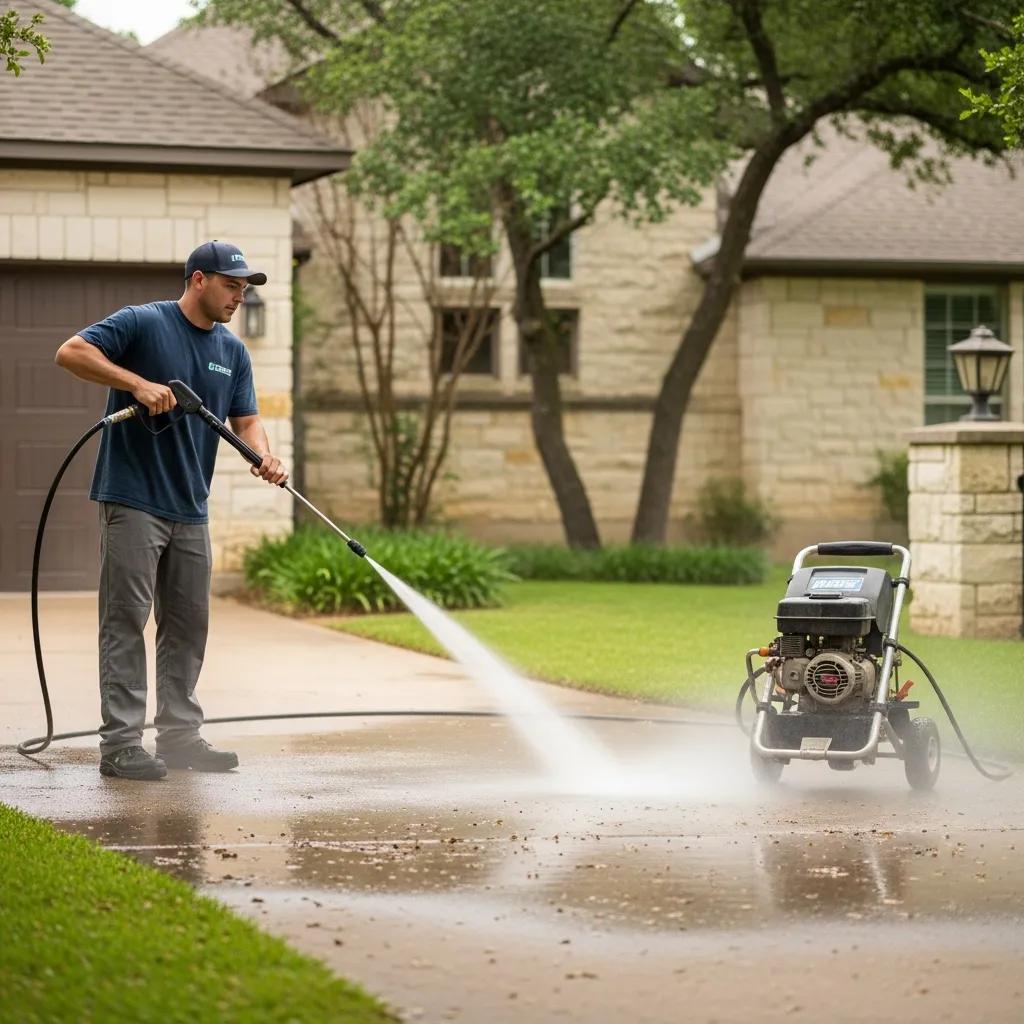
Pressure washing uses high-pressure water flow to mechanically remove dirt and stains, soft washing applies low pressure combined with chemical agents to kill biological growth, and traditional cleaning relies on mechanical scrubbing and detergents for localized maintenance. The mechanism difference—force versus chemical action—determines suitable surfaces and outcomes, with pressure washing excelling on hard, durable surfaces and soft washing protecting softer or porous materials. Understanding these mechanisms helps homeowners choose a method that balances effectiveness with the risk of surface damage. Below is a concise comparison to capture the core contrasts and guide immediate decisions for typical Austin scenarios.
Pressure washing, soft washing, and traditional cleaning differ in application, but choosing the correct method hinges on surface type and contamination.
- Pressure washing is high PSI water removal best for concrete and some decks.
- Soft washing uses low pressure plus detergents to remove algae, mold, and mildew safely from roofs and limestone.
- Traditional cleaning is manual scrubbing or rinsing for spot maintenance and small repairs.
These one-line comparisons clarify the practical tradeoffs between speed, safety, and longevity, and they prepare the homeowner to evaluate their surfaces in more detail in the next section.
How Does Pressure Washing Work and What Surfaces Is It Best For?
Pressure washing propels water at high pressure—commonly 1,300–3,000 PSI for residential tasks—to shear away soils, paint flakes, and stubborn stains through mechanical force. This high-pressure mechanism is especially effective on durable surfaces such as concrete driveways, poured patios, brick pavers, and properly secured composite decks where abrasion does not penetrate material integrity. Heated water or “power washing” can improve grease and oil removal by lowering viscosity and activating cleaning agents, making it preferable for heavily soiled driveways or commercial bays. However, excessive PSI or incorrect nozzle selection can etch limestone, strip paint, and dislodge deck boards, so proper equipment calibration and surface testing are essential before full-area cleaning.
This explanation of where pressure excels leads directly to why soft washing is a safer choice for delicate materials in Austin’s environment and how chemical action prevents regrowth on porous surfaces.
What Is Soft Washing and Why Is It Preferred for Delicate Austin Surfaces?

Soft washing combines low-pressure spray (often below 500 PSI) with biodegradable surfactants and oxidizing agents to remove and kill organic contaminants rather than abrading them away. That chemical-driven mechanism penetrates biofilms—algae, mold, lichen—and neutralizes spores at the root, delivering longer-lasting results on porous materials such as Texas limestone, painted siding, and asphalt shingles. Soft washing minimizes mechanical damage and preserves surface coatings and sealants while offering effective sanitization for humid, shaded areas common in Austin yards. This gentle approach is crucial for preserving the integrity of delicate materials, as specialized techniques are designed to clean even the most fragile surfaces without causing harm.
Cleaning Fragile Stone Surfaces Without Damage
the surface of the stone substrate, so it allows extremely fragile or decayed surfaces to be cleaned without damage to that might occur through the use of other types of cleaning systems.
Cleaning techniques, 2006
Because it relies on dwell time and correct chemical selection, soft washing is best performed with careful containment and follow-up rinsing to protect plants and comply with local water runoff practices.
This rationale for soft washing introduces the balance of benefits and risks when homeowners consider pressure-based methods for their properties.
What Are the Benefits and Risks of Pressure Washing for Austin Homes?
Pressure washing delivers rapid stain removal, restores curb appeal, and can extend the service life of durable exterior materials by removing harmful deposits that accelerate decay. Mechanically removing oil, algae, and accumulated grime reduces slip hazards, improves aesthetic value, and may positively influence buyer perception during resale. Those benefits must be weighed against risks: improper PSI or technique can etch porous stone, strip paint, lift shingles, force water into siding seams, and void certain manufacturer warranties. The decision to pressure wash should therefore consider surface type, contamination type, and whether soft washing or a manual approach would accomplish the goal with less risk.
Below is a structured comparison to weigh measurable benefits against common issues and to highlight when a professional should be engaged.
| Benefit/Issue | Pressure Washing Outcome | Alternative (Soft/Manual) | Mitigation / When to Hire Pro |
|---|---|---|---|
| Stain removal and curb appeal | Fast, visible improvement on hard surfaces | Manual scrubbing or soft wash for organic stains | Hire pro for PSI calibration and surface testing |
| Biological growth (algae/mold) | Removes superficial growth but may not kill roots | Soft washing kills and prevents regrowth | Use soft wash for roofs/limestone; pro for chemical selection |
| Surface damage risk | Etching, paint stripping, shingle loss | Manual spot cleaning or soft washing | Pro uses lower pressure or soft wash on delicate materials |
| Water intrusion and siding damage | High risk if water forced into gaps | Manual or soft wash with controlled flow | Pro ensures correct angle, pressure, and sealing checks |
This table clarifies when pressure washing produces expected outcomes and when alternatives or professionals reduce the chance of long-term damage, which brings us to how pressure washing specifically affects curb appeal and property value in the Austin market.
For homeowners concerned about damages, hiring a specialist with local experience reduces risk and ensures that surface-appropriate methods are used. Georgetown Power Wash offers inspections and written recommendations tailored to Austin properties; a free inspection and quote can identify when pressure washing or soft washing is the safest choice.
How Does Pressure Washing Improve Curb Appeal and Property Value in Austin?
Pressure washing can transform a home’s exterior by revealing original colors, removing dark streaks on roofs and siding, and restoring concrete to near-original brightness—changes that strongly impact initial buyer impressions. Visual improvements from professional cleaning reduce perceived deferred maintenance, making properties appear well-cared-for and often speeding up sale timelines or supporting stronger offers. For many Austin neighborhoods where limestone facades and tree shade combine to foster algae and staining, targeted cleaning maintains aesthetic consistency across a property’s exterior and supports long-term maintenance plans. Regular, appropriate cleaning also prevents buildup that, left unchecked, accelerates deterioration and increases future repair costs.
This discussion of curb appeal transitions naturally to the specific material risks that improper pressure washing can cause and how to prevent them.
What Are the Potential Risks of Improper Pressure Washing on Austin Materials?
High-pressure water can etch and pit Texas limestone, abrade mortar joints, and strip protective paints and stains from wood and composite decking when used improperly. Asphalt roof shingles are particularly vulnerable: incorrect pressure or spray angle can remove granules and shorten shingle life, while water forced under flashing or shingles risks interior leaks. Beyond physical damage, chemical runoff and uncontrolled discharge can harm landscaping and violate local runoff practices, so containment and proper chemical selection are important. To mitigate these risks, homeowners should insist on surface testing, calibrated equipment, and documented containment strategies, or engage experienced professionals for sensitive materials and steep or high-access areas.
Understanding these risks points to when traditional cleaning methods remain appropriate and when mechanized approaches are necessary for scale and efficacy.
How Does Traditional Cleaning Compare to Pressure Washing for Austin Exterior Maintenance?

Traditional cleaning—manual scrubbing, brush-backed detergents, and garden-hose rinsing—relies on mechanical effort and localized application to manage light soiling and spot issues without high-pressure equipment. This method works well for small stains, narrow trim areas, or where access or environmental containment prevents the use of mechanized methods. Traditional cleaning is labor-intensive and less effective for ingrained stains, large-area algae, or oil removal, where pressure or chemical treatments provide faster, deeper results. Deciding between manual and mechanized methods depends on the scale of contamination, surface fragility, and homeowner preferences for DIY versus professional intervention.
Below is a short decision checklist to help homeowners choose between traditional cleaning and pressure-based approaches.
- Surface fragility check: If the surface is porous or painted, prefer soft washing or manual cleaning.
- Scale of staining: For large areas with widespread algae or deep stains, choose mechanized methods.
- Access and containment: Use manual cleaning when runoff containment or access prohibits equipment.
- Long-term maintenance: Consider professional soft washing for preventative care and warranty preservation.
This checklist clarifies immediate decision factors and sets up the next section, which describes when manual cleaning is specifically sufficient.
When Is Traditional Cleaning Sufficient for Austin Home Exteriors?
Traditional cleaning is sufficient when dirt is superficial, stains are small and localized, or when materials are especially delicate and require gentle handling. Examples include spot-cleaning bird droppings, rinsing dust from porch railings, or scrubbing grout lines where pressure would dislodge tiles or mortar. Homeowners can safely use soft-bristled brushes, pH-neutral detergents, and low-flow rinsing to address these small tasks, minimizing risk to adjacent landscaping and finishes. For recurring or extensive biological growth typical in shaded Austin yards, manual approaches rarely provide durable results and professional soft washing or pressure-based cleaning becomes more efficient.
These practical limits of manual cleaning lead into a comparison of time, effectiveness, and long-term costs versus mechanized approaches.
What Are the Limitations of Manual Cleaning Techniques Compared to Pressure Washing?
Manual methods are time-consuming, often requiring repeated effort to match the same level of cleanliness that mechanized systems achieve in a fraction of the time. Indeed, the inherent nature of these conventional approaches often translates into significant time and energy investments.
Cleaning Principles: Thermal, Mechanical, Chemical
Traditional methods for the removal of adherents and inactivation of microorganisms are based on thermal, mechanical, or chemical principles and are known to be time- and energy-consuming.
Physical methods for cleaning and disinfection of surfaces, P Zahn, 2011
They typically fail to remove embedded oil, deep-set stains, or root-level biological growth, which can lead to accelerated material degradation and higher maintenance costs over time. In high-traffic or large-surface scenarios—driveways, parking areas, commercial facades—manual cleaning is impractical and may increase cumulative labor costs. For these reasons, manual cleaning is best reserved for spot maintenance, while professionals using calibrated pressure or soft-wash systems deliver scalable, consistent outcomes that protect structural materials when applied correctly.
This assessment sets the stage for surface-specific recommendations that account for Austin materials, such as limestone, siding variations, and roofing systems.
Which Cleaning Methods Are Best for Specific Austin Surfaces Like Limestone, Siding, and Roofs?
Choosing the correct method by surface preserves material integrity and maximizes cleaning longevity, especially for common Austin surfaces like Texas limestone, painted siding, asphalt roofs, and wood decks. The table below provides an at-a-glance guide to typical contaminants, the recommended method for Austin conditions, and key risk notes for each surface so homeowners can make informed, surface-appropriate choices.
| Surface | Common Contaminant | Recommended Method | Risk / Notes |
|---|---|---|---|
| Texas limestone | Algae, black streaks, mineral staining | Soft washing with gentle biocides | High etch risk from high pressure |
| Painted wood siding | Dirt, mildew, peeling paint | Soft washing and spot repair | Pressure can strip paint; test first |
| Asphalt shingle roof | Algae and granule loss | Soft washing only (low pressure) | Pressure can void warranties and remove granules |
| Concrete driveways | Oil, mildew, tire marks | Pressure washing with degreaser | Protect landscaping from runoff |
| Wood decks | Mold, old stain | Low-pressure wash + wood-safe cleaners | Avoid oversaturation; reseal after cleaning |
This table summarizes action for each surface and naturally leads into specific recommendations for limestone and other delicate materials that demand specialized care.
What Is the Recommended Cleaning Approach for Austin Limestone and Delicate Materials?
Texas limestone is porous and sensitive to surface abrasion; high-pressure streams can remove surface layers and leave an etched appearance that traps dirt more readily. This vulnerability is well-documented, with experts emphasizing the risk of damage to delicate stone surfaces from improper cleaning techniques.
Preventing Limestone Etching from Pressure Washing
For example, acid cleaners can etch the surface of polished as sandstone and certain oolitic limestones. Damage can occur due to pressure cleaning and rinse cycles, but also provide
Cleaning techniques, 2006
The preferred approach is soft washing with biodegradable, low-pH cleaners and controlled dwell time to dissolve organic growth at the root without mechanical damage. Preparatory steps include dry testing in an inconspicuous area, protecting nearby vegetation, and post-clean rinsing and neutralization when required to prevent chemical residue. For historic or highly porous stone, professional assessment is recommended to select consolidants or protective aftercare that maintain breathability while reducing future staining.
These specialized protocols for limestone naturally extend to recommendations for driveways, decks, and roofs in Austin’s climate.
How Should Driveways, Decks, and Roofs Be Cleaned in Austin’s Climate?
Driveways benefit from higher-pressure washing combined with degreasing agents to remove oil and tire marks; keep spray angles shallow and protect plantings to prevent runoff damage. Wooden decks respond best to low-pressure cleaning with wood-safe cleaners and controlled drying followed by resealing or stain application to restore protection and prevent splitting. Asphalt roofs should always be soft washed using low-pressure applications and algaecidal solutions to kill organic growth while protecting shingle granules and manufacturer warranties. Each of these approaches must account for Austin humidity and tree coverage, which increase biological regrowth and may require more frequent maintenance cycles.
These surface-level recommendations bring us to cost considerations and how eco-friendly options influence decisions for Austin homeowners.
What Are the Cost Considerations and Eco-Friendly Options for Exterior Cleaning in Austin?
Cost varies by service type, surface area, chemical needs, prep work, and environmental controls; understanding typical ranges helps homeowners compare value and environmental tradeoffs. Soft washing often costs more than simple pressure washing due to chemical costs and dwell time, but it can prevent long-term surface damage and therefore reduce lifecycle expenses. Eco-friendly options—biodegradable surfactants, oxygen-based cleaners, and runoff containment—reduce environmental impact but may raise upfront costs for responsible disposal and capture systems. Below is a compact cost-environment comparison to guide choices between price and sustainability for Austin properties.
The table below compares service types, typical cost expectations in the Austin market, environmental impact, and recommended use cases to help balance budget and green practices.
| Service Type | Typical Cost Range (Austin) | Environmental Impact | Recommended Use Cases |
|---|---|---|---|
| Basic pressure washing (driveways) | Lower to moderate | Moderate runoff risk without containment | Large concrete areas with grease/oil stains |
| Soft washing (roofs, limestone) | Moderate to higher | Lower chemical toxicity if biodegradable agents used | Roofs, painted siding, porous stone |
| Manual/traditional cleaning | Low | Low if minimal chemicals used | Spot cleaning, delicate trim, small areas |
This comparison highlights that higher upfront cost for soft washing can prevent material damage and that eco-friendly practices are feasible when professionals plan containment and use low-toxicity chemistries. For tailored comparative quotes that reflect surface type, damage risk, and eco options, homeowners can request an on-site estimate and written plan from a local provider.
Georgetown Power Wash provides bespoke estimates that factor in surface condition, containment needs, and eco-friendly options; request an inspection to receive a written, surface-specific quote and recommendation.
How Does Pressure Washing Cost Compare to Soft Washing and Traditional Cleaning in Austin?
Relative costs depend on scale and method: concrete pressure washing is typically the most cost-efficient per square foot, soft washing carries higher per-area costs due to chemical materials and dwell time, and manual cleaning has lower material costs but higher labor per square foot. For example, a whole-house soft wash for algae-prone siding or a roof requires careful chemical application and oversight, which increases labor and time compared with a driveway-only pressure clean. In the long term, paying more for a gentle soft wash often reduces damage-related repairs and repainting, delivering better lifecycle value for delicate surfaces. Homeowners should obtain itemized estimates that list containment, chemical classes, and follow-up care to compare true long-term costs.
This cost comparison leads into available eco-friendly cleaning choices for Austin homeowners and how to minimize runoff and chemical impact.
What Eco-Friendly Cleaning Solutions Are Available for Austin Exterior Cleaning?
Eco-conscious cleaners include biodegradable surfactants, oxygen-based (peroxide) oxidizers, and pH-neutral detergents that reduce toxicity while remaining effective against organic stains. Water-saving practices—such as low-flow nozzles, targeted application, and containment/filtration systems—minimize discharge and protect landscaping and storm systems. Professionals should follow local runoff guidance and use biodegradable chemistries with short environmental half-lives to avoid long-term effects on soil and waterways. Choosing contractors who document containment methods, chemical safety data, and disposal practices ensures that eco-friendly choices are actually implemented in the field rather than just claimed.
With eco options clarified, the next important question is how often Austin homeowners should schedule cleaning for best results and warranty compliance.
How Often Should Austin Homeowners Schedule Pressure Washing or Traditional Cleaning?
Frequency depends on material, exposure, and local conditions: shaded roofs and limestone facades with heavy tree cover need more frequent attention than sun-exposed, well-drained surfaces. As a practical baseline, many Austin homes benefit from surface-appropriate cleaning on the following conditional schedule: driveways and concrete every 12–24 months depending on oil accumulation; decks and siding every 12–36 months depending on finish and exposure; roofs every 12–24 months if algae or black streaks appear. Regular inspections are the key driver—monitoring for regrowth, loss of protective coatings, and biological staining allows homeowners to schedule interventions before damage accelerates.
Below is a short schedule and decision set for typical Austin property scenarios to help homeowners plan maintenance.
- High tree cover or shaded exteriors: Inspect every 6–12 months; clean as soon as visible algae appears.
- Sun-exposed, low-traffic areas: Inspect annually; clean every 18–36 months.
- Driveways with oil/fuel exposure: Inspect semi-annually; pressure clean as needed (12–24 months).
- Roofs with algae streaks: Inspect annually; soft wash when staining is visible to prevent shingle degradation.
These conditional rules help homeowners prioritize maintenance and reduce long-term costs, and they naturally lead to how professionals optimize schedules for maximum protection.
What Factors Influence Cleaning Frequency in Austin’s Climate?
Austin’s warm, humid climate encourages biological growth—algae, mold, and mildew—particularly on shaded, north-facing, or tree-covered elevations, which necessitates more frequent cleaning than in arid regions. Proximity to large oaks, dense landscaping, and moisture-retaining groundcover increases organic load and accelerates staining. Surface finish, such as breathable sealants on limestone or stain conditions on decks, also changes how often cleaning is safe and effective. Observational monitoring—checking for discoloration, slippery surfaces, and clogged weep holes—lets homeowners detect early signs and schedule cleaning before structural or cosmetic damage worsens.
Understanding these environmental drivers explains why a one-size-fits-all schedule does not work and why professional assessment can refine timing and method choices.
How Can Professional Services Optimize Cleaning Schedules for Best Results?
Professional services optimize schedules by performing an initial inspection, documenting surface conditions, recommending appropriate methods (soft wash vs. pressure wash), and offering a maintenance plan with reapplication intervals based on exposure. Bundled plans can coordinate roof, siding, and deck care to maximize efficiency and reduce overall cost while documenting completed work for warranty or resale records. Professionals also adjust timing seasonally—avoiding peak heat and heavy rains—and provide containment measures to protect landscaping and meet local runoff expectations. A documented maintenance agreement with inspection notes and recommended reapplication windows helps homeowners preserve property value and avoid unnecessary repairs.
If you prefer a professional maintenance plan, Georgetown Power Wash schedules inspections, provides a written scope and quote, and recommends surface-appropriate intervals to maintain both appearance and material longevity in the Austin area.
For a personalized inspection, surface-appropriate recommendations, and scheduling, contact Georgetown Power Wash for an on-site inspection, a written quote, and help choosing the right cleaning cadence for your Austin property. Their local expertise includes surface testing, eco-friendly option planning, and documented maintenance recommendations to protect value and reduce long-term repair risk. A simple inspection typically leads to a clear plan: assessment, recommended method (soft wash or pressure wash), written pricing, and scheduling options to fit your maintenance cycle.