

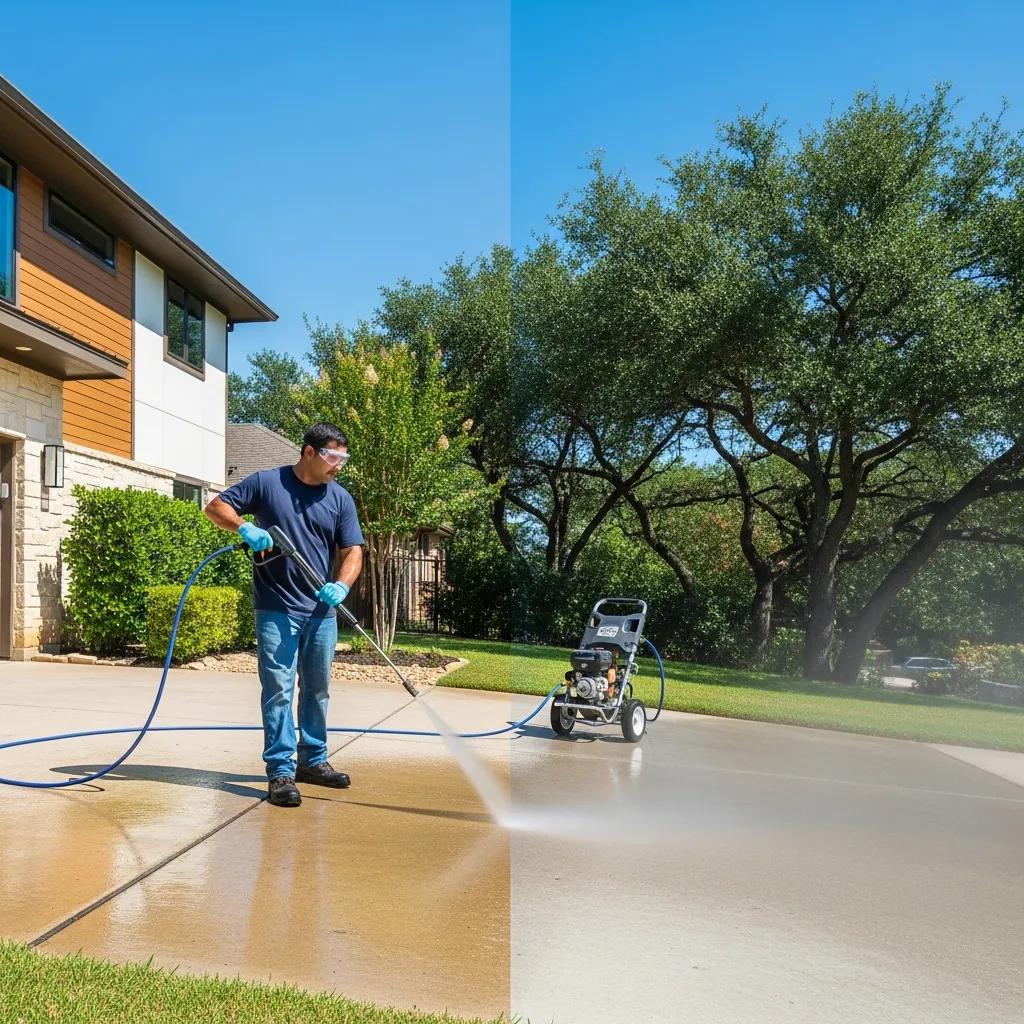
Is Pressure Washing Worth It in Austin? Comprehensive Benefits, Costs, and Expert Insights
Yes — in Austin, pressure washing usually provides clear benefits when done correctly. This article examines why exterior cleaning delivers measurable value in the region’s unique climate, how costs and frequencies compare to other maintenance options, and when hiring a professional is the smarter choice. You will learn how Austin-specific factors like humidity, limestone dust, and heavy pollen loads accelerate surface fouling, which surfaces benefit most from pressure or soft washing, and what realistic price ranges look like for houses, driveways, and decks. The guide also contrasts DIY risks with professional outcomes, offers maintenance frequency recommendations tailored to local seasons, and gives practical selection criteria to evaluate service providers. Throughout, the focus is on helping Austin homeowners and business owners decide whether pressure washing is a cost-effective investment, how it protects property value, and when to call a local expert.
What Unique Exterior Cleaning Challenges Does Austin’s Climate Present?

Austin’s climate combines heat, periodic high humidity spells, and airborne particulates that accelerate exterior fouling and material wear. These environmental drivers act on surfaces through both chemical and biological mechanisms, increasing the rate at which mold, algae, pollen film, and limestone grit accumulate. Understanding those mechanisms helps property owners prioritize targeted cleaning methods—soft washing for biological growth and controlled pressure for mineral and grime removal—so that treatments address root causes rather than cosmetic fixes. This section outlines the primary climate stressors and why they matter for maintenance schedules and material longevity.
How Do Humidity, Limestone Dust, and Pollen Affect Austin Properties?
Humidity in Austin creates sustained moisture windows that let mold and algae colonize shaded siding, decks, and porous masonry, while repeated wet-dry cycles stress coatings and adhesives. Limestone dust—common in the region—acts as a fine abrasive and embeds into concrete and textured surfaces, causing dulling and micro-scratching that accelerates degradation over time. Pollen forms a sticky organic film that traps dirt and provides nutrients for microbes, making surfaces look dingy quickly after spring blooms. These combined effects most strongly impact north-facing walls, under-eave areas, wooden decks, and driveway crevices, and they often require different cleaning chemistry and pressure settings to avoid collateral damage.
Research further supports how the combination of humidity and airborne particulates, like limestone dust, contributes to the degradation of building materials over time.
Humidity & Pollution: Limestone Degradation in Humid Climates
Climatic changes and the increased air pollution intensify the atmospheric degradation of stone, affecting the aspect and integrity of valuable historical buildings constructed using limestone and located in tropical coastal sites. This paper analyzes limestone degradation process due to air pollution and humidity in tropical humid conditions in historical buildings located in the cities of Havana, Cuba and San Francisco de Campeche, Mexico.
Influence of air pollution and humidity on limestone materials degradation in historical buildings located in cities under tropical coastal climates, F Corvo, 2010
What Are the Common Mold, Mildew, and Algae Issues in Austin?
Mold, mildew, and algae are distinct biological growths that appear on different substrates and respond to different cleaning strategies. Mold often penetrates porous materials and can cause staining and paint undercutting, while mildew forms superficial discoloration on painted or sealed surfaces; algae typically creates green, slimy films on shaded masonry and concrete. In Austin, shaded and moisture-retaining spots—behind shrubs, under awnings, and on north-facing siding—are most vulnerable, and untreated growth can degrade paint and wood fibers. Preferred remediation involves soft-wash treatments using low-pressure application with appropriate detergents for biological removal, followed by preventive measures to limit re-colonization.
What Are the Key Benefits of Pressure Washing for Austin Homeowners and Businesses?

Pressure washing and soft washing deliver immediate aesthetic improvements and longer-term protective benefits by removing harmful deposits that accelerate material failure. Mechanically and chemically removing organic growth, pollen films, and limestone grit reduces abrasion, restores surface reflectivity, and lowers allergen loads around entries and outdoor living spaces. When timed as preventative maintenance, cleaning avoids costlier repairs like siding replacement, deck sanding, or concrete resurfacing, and can improve the marketability of properties by improving first impressions. The following mapping clarifies how specific benefits connect to actionable mechanisms and tangible outcomes for Austin properties.
Different benefits of exterior cleaning map to clear mechanisms and outcomes:
| Benefit | Mechanism | Tangible Outcome |
|---|---|---|
| Curb appeal | Removes visible staining and films | Improved listing photos and buyer impressions |
| Material preservation | Eliminates organisms that degrade coatings | Extended paint and siding lifespan |
| Safety | Removes slippery algae on walkways | Reduced slip hazards and liability |
| Health & comfort | Lowers pollen and spore loads | Reduced allergen exposure around living spaces |
This table highlights that pressure washing produces both cosmetic and functional returns, making it more than a purely visual upgrade.
For local credibility and practical access, homeowners in Austin often look to experienced regional providers who understand local soils, pollen cycles, and soft-wash protocols. Georgetown Power Wash positions itself as an Austin-focused pressure washing provider that can apply those local insights to effectively treat common Austin problems while selecting the right balance of pressure and chemical treatment. Mentioning a local specialist helps readers connect the general benefits above to service options available in the area without replacing objective evaluation criteria.
Pressure washing frequently returns value through small upfront costs that prevent larger repair bills, and recognizing when to use pressure versus soft washing is a key part of maximizing that return. This understanding sets up the practical comparison between DIY approaches and professional services that follows next.
How Does Pressure Washing Boost Curb Appeal and Property Value?
Removing surface stains, algae, and embedded dirt immediately refreshes the visual presentation of a property and influences buyer perception during showings and photography. Clean driveways, bright siding, and moss-free roofs lead to perceived better maintenance, which can translate into price resilience or faster offers in the Austin market. Practically, a well-executed exterior clean is a low-cost way to enhance listing appearance compared with repainting or major landscaping work. Sellers and property managers often choose targeted cleaning of high-visibility areas—driveway, front porch, and facade—to maximize visual impact with minimal investment.
In What Ways Does Pressure Washing Protect and Extend Property Lifespan?
Pressure washing prevents gradual material degradation by removing biological and mineral agents that weaken coatings and substrates over time. For example, algae and mold undercut paint films and wood finishes, leading to moisture entry and rot, while limestone abrasion abrades concrete top layers and accelerates micro-cracking. Regular removal of these agents reduces the frequency of expensive restorative interventions like replacement siding or deck boards. Implementing a scheduled cleaning cycle as part of preventive maintenance preserves finishes and structural components, ultimately lowering total lifecycle costs.
How Does Professional Pressure Washing Compare to DIY Options in Austin?
Yes — for most Austin homeowners hiring a pro is recommended because professionals combine correct pressure settings, soft-wash chemistry, and local experience to deliver safe, long-lasting results. Professionals bring equipment with appropriate PSI and flow rates, training to avoid siding gouging or roof shingle damage, and containment practices to protect landscaping and windows. DIY approaches often underestimate the time and technique required, leading to inconsistent outcomes or accidental damage that creates higher follow-up costs. The next section lists common DIY pitfalls to help readers weigh the pros and cons.
Before the DIY risks are examined, a concise comparison table clarifies typical differences in cost, risk, time, and result longevity for DIY versus professional work.
| Approach | Typical Cost | Risk of Damage | Time Required | Result Longevity |
|---|---|---|---|---|
| DIY rental or consumer unit | Low up-front rental cost | Higher risk from incorrect settings | High personal time investment | Shorter due to inconsistent technique |
| Professional service | Market-rate fee | Low when insured and trained | Low homeowner time commitment | Longer due to correct methods and treatments |
| Hybrid (hire for sensitive areas) | Moderate | Moderate | Moderate | Moderate to long |
This comparison shows that while DIY can be cheaper initially, professionals generally produce safer, longer-lasting outcomes.
For Austin homeowners who prefer hiring a local contractor, professional availability allows outsourcing the technical decisions while gaining time savings and insured protection. Companies like Georgetown Power Wash represent a local option for those who choose professional services, providing the logistical convenience of local scheduling and knowledge of Austin-specific soil and pollen conditions.
What Are the Risks and Hidden Costs of DIY Pressure Washing?
DIY attempts often omit essential controls such as correct nozzle selection, PSI limits, and soft-wash chemical application, which raises the risk of surface damage and voided warranties. Common scenarios include siding gouging that requires board replacement, high-pressure forcing water under flashings causing interior leaks, or roof shingle granule loss that necessitates premature replacement. Repair costs from such mistakes typically exceed initial rental savings by several times, and unprotected landscaping and windows may require additional cleanup or replacement. Safety risks like ladder falls or improper equipment handling further increase hidden costs and potential liability.
Why Is Hiring Austin Pressure Washing Experts Recommended?
Hiring professionals is recommended because trained teams calibrate equipment for each surface, apply soft-wash alternatives for biological growth, and use detergents that neutralize spores rather than simply blasting them away. Professionals also carry liability coverage and follow containment best practices to protect plants, pets, and outdoor fixtures—reducing collateral damage risk. Look for providers who describe their methods clearly, including pressure and chemical approaches, and who can explain local experience treating limestone dust and pollen films. This professional approach both mitigates risks and improves long-term cleaning efficacy.
What Is the Typical Cost of Pressure Washing Services in Austin?
Average costs in Austin vary by service type, surface condition, and accessibility, but a central reference point helps owners set expectations before requesting quotes. For houses, current local averages center around roughly $300–$350 for a standard exterior wash, with maintenance versus heavy remediation affecting the final price. Driveway and deck cleaning typically come with lower flat fees or per-square-foot pricing, while roofs or multi-story work increase labor and safety requirements that raise quotes. The following table provides concrete average figures and ranges to serve as a practical estimating tool for Austin properties.
Typical service averages and common ranges in Austin:
| Service | Average Cost | Typical Range |
|---|---|---|
| House exterior washing | $317 | $180 – $450 |
| Driveway cleaning | $150 | $80 – $300 |
| Deck cleaning and sealing prep | $175 | $100 – $350 |
| Roof soft washing | $350 | $200 – $600 |
This table gives a snapshot to guide homeowner budgeting and helps frame quote discussions with providers by clarifying normal ranges.
Below is a numbered list of primary factors that influence quotes so readers can understand variance between estimates.
- Home size and total surface area determine labor and materials required.
- Surface material—wood, brick, concrete, or vinyl—affects technique and time.
- Extent and type of soiling or biological growth change chemical needs.
- Accessibility, height, and safety equipment needs raise labor costs.
- Prep work like paint touch-ups or protecting landscaping adds to charges.
These cost drivers explain why two comparable-looking houses can receive different quotes, and they prepare owners to ask targeted questions when evaluating bids.
What Are Average Prices for House, Driveway, and Deck Cleaning?
House washing averages near $317 in local references, with maintenance washes near the lower end of the range and heavy remediation at the top. Driveway cleaning typically follows per-square-foot or flat-rate pricing; small single-car drives often fall near $80–$150 while larger or stained surfaces cost more. Deck cleaning ranges depend on wood condition and whether sealing or staining prep is included; combined cleaning and sealing prep increases the investment but can extend deck life. Heavy contamination or multiple high-access areas will push estimates upward, so itemized quotes that separate surface cleaning from additive services are most transparent.
Which Factors Influence Your Pressure Washing Quote in Austin?
Quotes reflect a constellation of technical and logistical factors, and understanding them helps homeowners compare bids meaningfully. Surface area and material type change nozzle selection, PSI, and detergent choices, while staining severity may require pretreatment or multiple passes. Height and access—such as second-story facades, steep driveways, or complex rooflines—require extra labor, fall protection, and sometimes lift equipment, which increases cost. Additional considerations like landscaping protection, runoff mitigation, and disposal of removed material also add to time and supply expenses. Asking providers for line-item explanations of each factor clarifies where money is being spent.
How Often Should Austin Properties Be Pressure Washed for Optimal Maintenance?
Most Austin properties benefit from exterior cleaning every 12–24 months, with the exact interval driven by exposure, shading, and local pollen cycles. Regular maintenance cleaning prevents buildup that accelerates material wear and keeps allergen and slip hazards down around entries and patios. Surfaces with heavy shade, nearby trees, or north-facing orientations often require more frequent attention, while sun-exposed, well-drained facades can stretch intervals. The guidance below gives surface-specific frequency recommendations and seasonal timing to maximize effectiveness and minimize regrowth.
Recommended frequency by surface and common adjustments:
- House siding: every 12–18 months for shaded or tree-lined properties, 18–24 months for sunny, low-exposure facades.
- Driveways and walkways: annually if subject to algae or oil staining; twice yearly in shaded, moist conditions.
- Decks and patios: annual cleaning prior to staining or sealing cycles, more often if under tree canopy.
These frequency guidelines should be adjusted after inspections of specific problem areas, and scheduling cleaning after pollen season or before rainy periods improves immediate results and reduces rapid re-soiling.
What Seasonal and Environmental Factors Affect Cleaning Frequency?
Austin’s spring pollen peaks and late-summer humidity spikes create predictable windows where cleaning yields higher immediate returns. Spring is an optimal time to remove pollen film before it traps more dirt and before summer rain patterns encourage microbial growth, while late summer or early fall cleaning addresses humidity-driven algae development. Storm events that deposit mud or organic debris warrant spot cleaning, and drought conditions can reduce biological growth but increase dust accumulation, shifting priorities toward dust and limestone removal. Adjusting frequency around these seasonal patterns keeps surfaces performing and looking their best.
How Does Regular Pressure Washing Prevent Long-Term Damage?
Regular cleaning removes agents that chemically or biologically undermine materials, thereby avoiding progressive failures such as paint delamination, wood rot, or concrete spalling. For example, annual removal of mold and algae can prevent moisture entrapment that leads to rot in deck boards, while periodic concrete washing removes abrasive limestone grit that accelerates surface erosion. Over time, these preventative actions reduce the need for major restorative projects and preserve resale value, often delivering a favorable return compared to reactive repairs. Scheduling periodic inspections in tandem with cleaning helps catch early signs of wear that can be addressed before replacements are needed.
How Can You Choose the Right Professional Pressure Washing Service in Austin?
Selecting the right provider depends on verifiable credentials, clear method disclosure, and local experience with Austin-specific issues. Ask prospective companies about their cleaning techniques—pressure vs soft wash—chemical products used, containment and runoff practices, and evidence of insurance coverage. Evaluate portfolio examples and local references to confirm that the provider has successfully treated situations similar to your property. The checklist below organizes the most actionable verification steps to simplify selection and reduce hiring risk.
Use this checklist when vetting local pressure washing providers:
- Verify proof of liability insurance and ask for a coverage summary.
- Request descriptions of methods and photos of before-and-after work.
- Confirm experience addressing Austin-specific issues like limestone dust and pollen.
- Ask about runoff mitigation and landscaping protection procedures.
- Check for clear, itemized quotes that separate services and costs.
This checklist helps homeowners make evidence-based comparisons rather than relying on price alone, and it leads directly into assessing credentials and reviews for final selection.
What Credentials and Experience Should You Look For?
Look for providers who can describe their equipment specifications (PSI ranges and flow rates), soft-wash chemical approaches, and examples of similar past projects. Insurance—specifically general liability—and the ability to provide local references are essential protections that reduce homeowner exposure to accidental damage. Requesting before-and-after photos and technique descriptions verifies that the company understands when to apply low-pressure soft-wash methods versus higher-pressure cleaning. These verification steps provide practical confidence that the chosen contractor will treat Austin-specific soils and biological growth appropriately.
How Do Customer Reviews and Insurance Impact Your Decision?
Customer reviews reveal patterns in reliability, communication, and lasting results; prioritize detailed reviews that reference specific surfaces and outcomes rather than generic praise. Insurance coverage—confirmed via documentation—protects homeowners in the event of accidental damage or injury and is non-negotiable for any reputable contractor. Be alert to red flags such as vague quotes, refusal to provide insurance proof, or a lack of verifiable local references. Reviewing both testimonials and insurance details together gives a balanced picture of a provider’s trustworthiness and competence, making final selection safer and more predictable.
For readers ready to request a quote, a local provider name can be part of your shortlist; Georgetown Power Wash is one Austin-area company that positions itself as a local pressure washing option for homeowners and businesses seeking regional expertise. When choosing, prioritize transparent quotes and documented methods as outlined above.