
How Pressure Washing Transforms Your Home Exterior: Enhance Curb Appeal and Increase Property Value
Pressure washing (also called power washing) is a targeted exterior cleaning method that uses high-pressure water, sometimes combined with detergents or soft-wash chemicals, to remove mold, mildew, pollen, oil, and deep-set grime from a home’s exterior surfaces. This mechanical and chemical action restores color, reveals original textures, and immediately improves curb appeal while helping protect building materials from long-term decay. Homeowners in Austin and Georgetown, Texas, find that a thorough exterior cleaning not only refreshes a property visually but can also reduce maintenance costs and make a home more attractive to buyers. In this article you will learn the primary benefits of professional pressure washing, which surfaces respond best to different cleaning methods, how the professional process works, regional factors that affect results in Central Texas, real local transformation examples, and practical answers to common homeowner questions. Throughout we use terms like home exterior cleaning, pressure washing transformation, and exterior makeover pressure washing to connect concepts and offer actionable guidance for maintaining and enhancing residential property value.
Georgetown Power Wash, an Austin-area provider specializing in residential pressure washing for Austin and Georgetown, Texas, is mentioned selectively as a local example of how professionals implement thorough inspections, appropriate equipment selection, and eco-aware cleaning practices. This brief mention supports the topic while keeping the focus on how pressure washing transforms a home exterior.
What Are the Key Benefits of Professional Pressure Washing for Your Home Exterior?
Professional pressure washing delivers measurable benefits across aesthetics, maintenance, health, and resale readiness by removing contaminants that obscure material color and accelerate decay. The mechanism combines mechanical removal of surface deposits with chemical treatments when needed, producing immediate visual improvement and longer-term protection for siding, concrete, wood, and more. Homeowners see reduced slip hazards, fewer allergen sources, and a cleaner substrate ready for paint, sealant, or sale preparation. Below is a concise entity-attribute-value table summarizing common benefits and typical outcomes to help compare impact quickly.
| Benefit Area | Typical Visual or Practical Impact | Common Outcome |
|---|---|---|
| Curb Appeal | Removes stains, brightens siding/driveway | Noticeably refreshed exterior appearance |
| Property Value Readiness | Enhances listing photos and first impressions | Increased buyer interest and faster showings |
| Damage Prevention | Eliminates mold, algae, and grit that erode materials | Extended lifespan of surfaces and reduced repairs |
| Health & Safety | Removes allergens, mildew, and slippery residues | Lower allergy triggers and safer walkways |
This table clarifies how pressure washing functions as an exterior cleaning service that also acts as preventative maintenance, and it sets up the next section on curb appeal mechanics.
Pressure washing improves curb appeal through stain removal, color restoration, and revealing original surface textures that buyers and neighbors notice first. By restoring the true color of brick, siding, and wood, pressure washing creates stronger visual contrast and perceived care, which ties directly to property presentation during sales or inspections. The next subsection explains the visual mechanics and how to document results with before-and-after imagery.
How Does Pressure Washing Improve Curb Appeal and Visual Aesthetics?

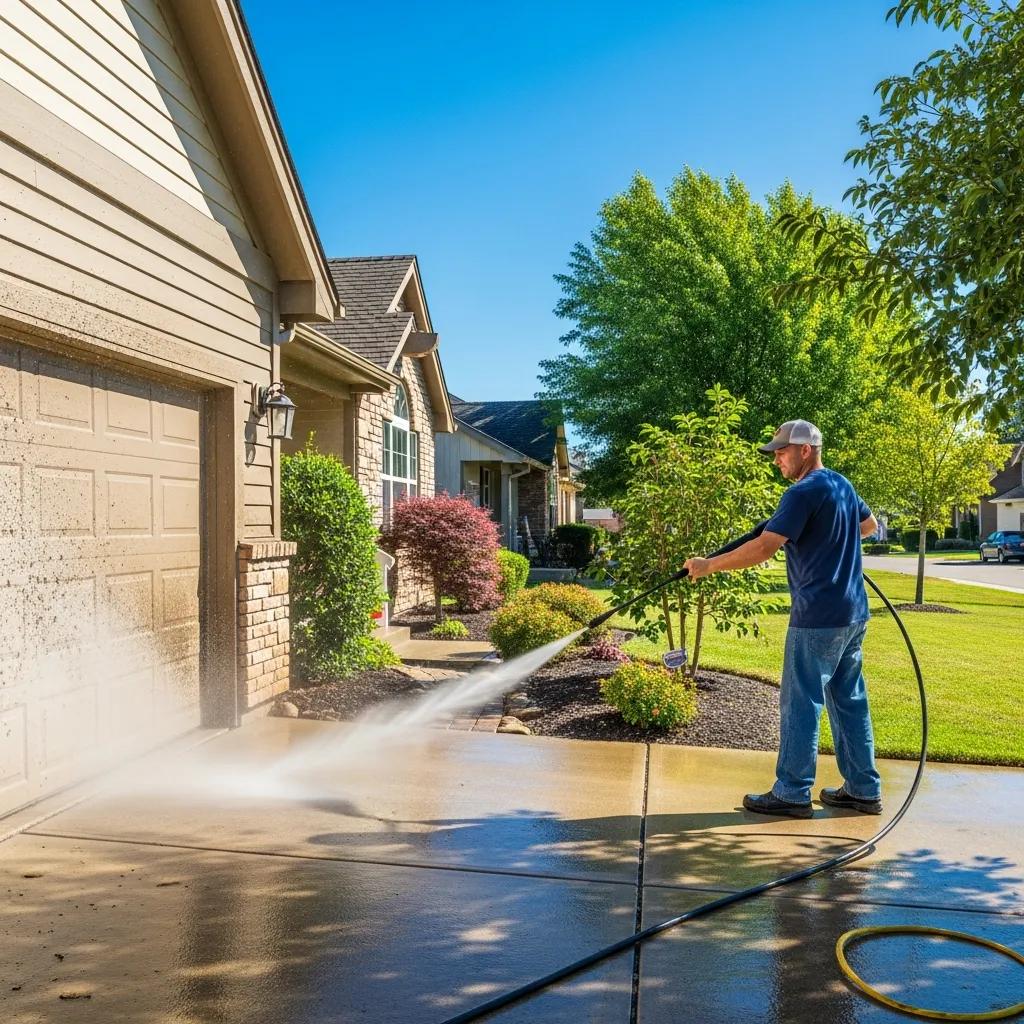
Pressure washing improves curb appeal by lifting surface grime, biological growth, and stains so materials show their original hue and texture again; this happens because pressurized water and appropriate detergents break surface bonds and rinse residues away. For example, a pollen- or algae-stained home shows immediate contrast after cleaning, making trim, landscaping, and architectural features stand out. Before-and-after photos are critical: images emphasizing driveway lines, siding color, and deck grain provide visual proof for buyers and homeowners. To capture these changes effectively, shoot consistent angles and include ALT text describing the contaminant removed and the surface type. Showing visual proof also supports claims about increased marketability and prepares a home for subsequent treatments like sealing or painting.
In What Ways Does Pressure Washing Increase Property Value and Prevent Damage?
Pressure washing increases perceived property value by improving first impressions and removing visible neglect that can deter buyers; realtor guidance and industry observations suggest professional exterior cleaning can contribute to listing attractiveness and potential price uplift. Removal of damaging agents—mold, algae, and accumulated grit—reduces rot and material degradation, which translates into fewer immediate maintenance expenses for prospective buyers. A hypothetical scenario: prepping a house for market with full exterior cleaning and minor touch-ups can improve showing outcomes and, in some markets, contribute to a value effect often cited in industry ranges. Regular cleaning also fits into a preventative maintenance schedule that delays costly repairs, which reinforces long-term value retention.
While the impact of exterior cleaning on property value is widely acknowledged, empirical studies on refurbishment’s precise value enhancement effects often face challenges in conclusive before-and-after comparisons.
Estimating Property Value Enhancement from Refurbishment
There have been very few empirical studies investigating the value enhancement effects of refurbishment and most rely on cross‐sectional data, which cannot show the before and after effects conclusively because of the heterogeneous nature of the properties. The problem of refurbishment is more complicated in buildings or housi
Estimating the value enhancement effects of refurbishment, KW Chau, 2003
Which Exterior Surfaces Can Be Effectively Cleaned with Pressure Washing?
Different exterior surfaces require tailored methods—some respond well to high-pressure cleaning while others need low-pressure soft washing combined with biodegradable detergents. Matching surface type to contaminant and method ensures effective cleaning with minimal risk of damage. Below is a decision-aid table that pairs common surfaces with typical contaminants and the recommended approach so homeowners can quickly see which technique applies to each material.
Before using any approach, inspect for loose materials, paint condition, and sensitive elements like vents or lighting fixtures.
| Surface Type | Common Contaminants | Recommended Method |
|---|---|---|
| Vinyl siding | Algae, pollen, dirt | Soft wash with low pressure |
| Brick & stone | Efflorescence, mold, moss | Moderate pressure with masonry nozzle |
| Wood decks & fences | Mold, mildew, gray weathering | Low to moderate pressure; wood-safe cleaners |
| Concrete driveways | Oil, rust, tire marks | High-pressure cleaning with degreaser |
| Roof shingles | Algae, streaking | Roof soft washing (low pressure + specialty chemicals) |
This table helps homeowners and professionals decide between pressure washing and soft washing while minimizing the risk of surface damage and environmental harm.
How Are Siding, Driveways, Decks, and Patios Restored by Pressure Washing?
Siding restoration often begins with a soft-wash that applies biodegradable detergent to break biological bonds, followed by a gentle rinse that preserves paint or finish. Driveway stain removal uses targeted degreasers and higher-pressure rinses, often combined with agitation for set-in oil. Decks and patios respond best to lower-pressure passes and wood-cleaning solutions that lift embedded grime without sanding; after cleaning, homeowners should consider sealants or stains to protect wood. Each surface restoration step includes testing a small area first, which reduces the chance of color fading or etching and prepares the surface for any follow-up maintenance.
What Are the Best Practices for Roof Soft Washing and Fence Cleaning?
Roof soft washing uses low-pressure application of specialized cleaning agents that remove algae and organic staining without damaging shingles or voiding warranties; safety measures include fall protection, biodegradable chemistries, and careful runoff control. Fence cleaning varies by material: wood benefits from wood-specific cleaners and low-pressure rinses, composite materials tolerate stronger cleaners but still need controlled pressure, and metal fences typically handle higher pressure but require rust-inhibiting follow-up. Environmental precautions—using capture mats where possible and avoiding heavy runoff near storm drains—help protect landscaping and waterways while ensuring effective cleaning.
How Does the Pressure Washing Process Work to Transform Your Home?

A professional pressure washing process is methodical: it starts with a site assessment, selects appropriate equipment and cleaning chemistry, protects vulnerable areas, executes calibrated cleaning passes, and finishes with a customer walkthrough and follow-up recommendations. The sequence ensures safety and optimizes results by aligning pressure, nozzle choice, and detergent with each material’s tolerance. The table below summarizes steps, actions, and safety/environmental notes to clarify how a systematic approach transforms a home exterior.
Below is a concise process checklist suitable for homeowners who want to understand the professional workflow and safety safeguards.
| Step | Action | Safety / Environmental Note |
|---|---|---|
| Inspection | Assess surfaces, paint, and hazards | Test patches and note vulnerable areas |
| Masking & Protection | Cover plants, windows, and fixtures | Use tarps and secure masking to prevent damage |
| Cleaning | Apply detergent, scrub if needed, rinse with suitable pressure | Use biodegradable detergents and control runoff |
| Final Inspection | Walkthrough with homeowner and recommend follow-up | Document work and advise on maintenance schedule |
Professionally trained crews begin with a surface assessment and test patches to confirm pressure and chemical suitability; this first step prevents accidental damage and sets expectations for the job. After assessment, teams protect landscaping and sensitive fixtures, apply cleaning solutions where required, and execute calibrated rinses that match material strength. Post-cleaning, a final inspection validates results and establishes recommended maintenance intervals; this inspection also provides an opportunity to discuss protective measures such as sealants. The next subsection offers a detailed safety and procedural checklist professionals commonly use.
What Are the Professional Steps and Safety Measures Used by Experts?
Expert operators follow a repeatable checklist: pre-job inspection and test patches, masking of plants and fragile elements, correct PSI/nozzle selection, staged cleaning from top-down, and contained rinse capture where possible. Operators also use PPE, ladder safety protocols, and secure power/water connections to prevent on-site accidents. Environmental safeguards include choosing biodegradable detergents, avoiding heavy washes near drains, and notifying neighbors when runoff could travel off-site. Documenting each step with photos and notes creates transparency for homeowners and helps validate that the surface transformation was performed with care.
How Do Eco-Friendly Solutions Enhance Health and Environmental Safety?
Eco-friendly cleaning solutions—biodegradable detergents and lower-toxicity surfactants—reduce the impact of runoff on gardens and local waterways while effectively breaking down organic stains. These formulations also lower indoor allergen loads when used on siding and entryways, improving household air quality for sensitive occupants. Best practices include pre-rinsing plants, using containment methods for concentrated runoff, and selecting products with recognized environmental labels. Choosing green chemistries allows homeowners to prioritize both health and aesthetics without sacrificing cleaning performance.
In practice, Georgetown Power Wash adapts these steps by combining careful material assessment with eco-aware detergents and containment measures tailored to Austin and Georgetown properties. This example illustrates how a local professional balances strong cleaning outcomes with environmental and safety considerations.
What Local Factors Affect Pressure Washing Results in Austin and Georgetown, Texas?
Central Texas conditions—hot summers, intense pollen seasons, and humid intervals—drive faster accumulation of pollen, mold, and algae on exterior surfaces, which increases cleaning frequency and affects the timing of maintenance. Seasonal storms and sun exposure also influence how stains set into materials and how quickly surfaces redevelop visible contaminants. Water-use considerations and municipal guidelines can affect scheduling and the amount of rinsing that’s practical, so planning cleanings around dry, moderate-weather windows often yields the best results. The next subsection explains how seasonal patterns translate into practical cleaning schedules for homeowners.
How Does Central Texas Climate Influence Mold, Algae, and Pollen Accumulation?
Austin and Georgetown experience seasonal pollen peaks in spring and fall, while summer humidity encourages algae and mildew growth on shaded surfaces; together these patterns mean homeowners often need targeted cleaning after high-pollen periods or storm seasons. Scheduling exterior cleanings shortly after a pollen season or before the rainy months can prevent deep-set staining and reduce allergen exposure. Preventative measures—like trimming overhanging vegetation and improving drainage—help slow re-colonization of organic growth and lengthen the interval between professional cleanings.
Why Choose Georgetown Power Wash for Localized Exterior Cleaning Services?
Georgetown Power Wash is an Austin-area company that focuses on residential pressure washing across Austin and Georgetown, Texas, applying methods adapted for Central Texas climate factors such as pollen loads and humidity-driven algae. Their local approach includes pre-job assessments tailored to regional material wear, selection of eco-friendly detergents that minimize runoff impact, and scheduling strategies that align with seasonal peaks to maximize longevity of results. Homeowners seeking a local provider can expect practices designed to preserve local landscaping and respect neighborhood conditions while delivering visible exterior transformations.
What Are Real Home Exterior Transformations: Before and After Case Studies?
Concrete before-and-after case descriptions help homeowners visualize typical outcomes and set realistic expectations for time and effort required. Effective case studies highlight the problem (surface contaminants and staining), the chosen method (soft wash vs pressure), and measurable results like restored color, removal of specific stains, and post-cleaning recommendations. Including image ALT text that describes the contaminant and surface improves accessibility and supports search relevance. The next subsection outlines representative local examples framed as mini-case studies.
Which Local Homes Showcase Dramatic Pressure Washing Results?
A Georgetown bungalow with heavy pollen staining on siding and a gray, oil-marked driveway can show dramatic change when the siding receives a soft wash and the driveway a degreasing high-pressure rinse; the visual contrast between cleaned siding and refreshed landscaping is immediate. A townhouse with dark roof streaks benefits from roof soft washing that removes algae and restores shingle appearance without aggressive scrubbing. For each case, documenting the neighborhood context, the contaminant, and the method used helps future homeowners anticipate likely results for similar properties.
How Do Customer Testimonials Reflect Service Quality and Satisfaction?
Customer feedback typically emphasizes timeliness, thoroughness, and care for property—common themes that correlate with higher conversion when paired with visual proof. Summarizing testimonial themes (punctual crews, respectful property handling, clear before-and-after comparisons) provides social proof without inventing quotes. Including structured review schema and photo captions on project pages amplifies trust and helps potential clients evaluate expected outcomes before booking.
What Common Questions Do Homeowners Have About Pressure Washing?
Homeowners commonly ask whether pressure washing increases home value, how often it should be performed, and whether all surfaces are safe to pressure wash. Short, direct answers are most useful: professional cleaning can make a home more sale-ready and may contribute to marketability; frequency depends on local conditions and materials; delicate surfaces often require soft washing. The following list addresses practical decision points and DIY versus professional scenarios.
- Schedule Frequency: Home exteriors typically benefit from annual to biannual cleanings depending on pollen and shade exposure.
- DIY vs Professional: Hire professionals for roofs, high façades, or when warranty-sensitive materials are present.
- Safety & Risks: Use soft wash methods on delicate surfaces and test small areas before full cleaning.
Does Pressure Washing Increase Home Value and How Often Should It Be Done?
Pressure washing can increase a home’s appeal to buyers by presenting a well-maintained exterior and improving listing photos, and industry commentary often cites potential uplift in buyer interest though exact dollar figures vary by market. For many properties, an annual cleaning is sufficient; homes with heavy shade, nearby trees, or high pollen may need cleaning twice a year. When preparing for sale, a targeted exterior cleaning combined with minor repairs and landscaping often yields the best return on investment and faster showings.
Is Pressure Washing Safe for All House Surfaces and What Are the Risks?
Pressure washing is not universally safe for every material; risks include paint stripping, wood gouging, and forcing water into seams if pressure and nozzle selection are incorrect. Soft washing is the safer alternative for painted siding, delicate trim, and roofing shingles; professionals use test patches and calibrated PSI to avoid damage. Common DIY mistakes include using too-high pressure, skipping protection for vents and plants, and applying harsh chemicals improperly—risks that underline when to call trained technicians.
For homeowners ready to schedule professional help or to ask about tailored maintenance programs, Georgetown Power Wash offers localized residential pressure washing services in Austin and Georgetown, Texas, with methods adapted to the region’s climate and material considerations. Requesting an estimate and discussing eco-friendly cleaning options helps match the service to your home’s needs while protecting landscaping and local waterways.