

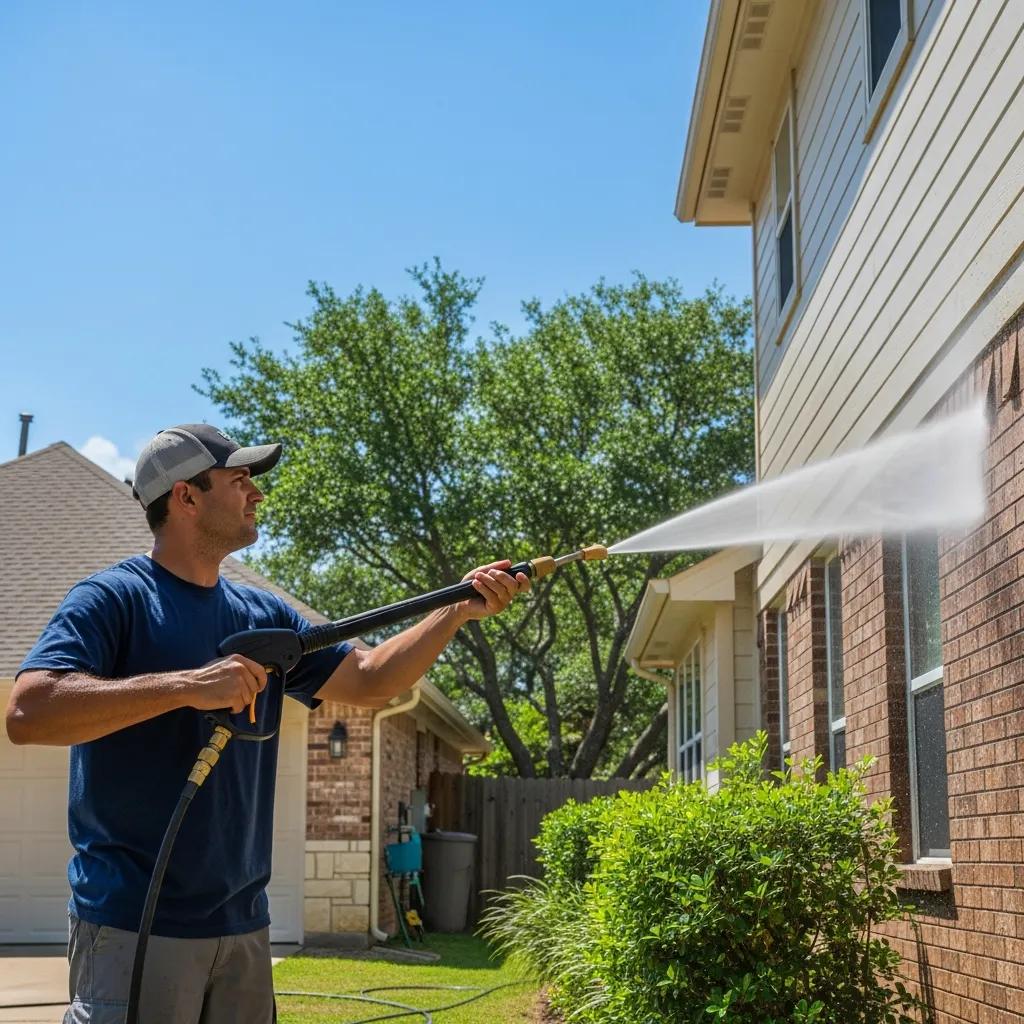
How Pressure Washing Transforms Austin Homes: Enhancing Curb Appeal and Property Value
Pressure washing — the controlled application of water and cleaning agents to exterior surfaces — revitalizes Austin homes by removing stains, biological growth, and accumulated pollutants that obscure material quality and color. In Austin’s warm, humid climate, pressure washing transforms appearances quickly and delivers measurable benefits: improved curb appeal, lower maintenance costs, and a stronger first impression for buyers and neighbors. This article explains how pressure washing works, the benefits specific to Austin properties, the core residential services homeowners need, and practical guidance on techniques, costs, and scheduling. You will learn which surfaces demand soft washing versus higher-pressure approaches, how routine exterior cleaning prevents long-term damage, and what to expect when comparing service options. Each H2 section below includes clear takeaways, comparison tables, and actionable lists to help Austin homeowners prioritize cleaning projects and protect property value with confidence.
What Are the Key Benefits of Pressure Washing for Austin Home Exteriors?
Pressure washing produces three primary homeowner benefits through distinct mechanisms that lead to visible and measurable outcomes. It restores visual appeal by removing dirt, stains, and biological growth; it protects materials by eliminating destructive agents like mold and algae; and it supports healthier living environments by reducing allergens and surface pathogens. These mechanisms translate into outcomes such as improved listing photos, extended siding and deck life, and safer walkways. The following short list highlights immediate homeowner gains and sets up the technical and practical guidance that follows.
- Curb Appeal Restoration: Removes stains and discoloration to restore original color and texture.
- Preventive Maintenance: Clears mold and mildew that accelerate material decay and rot.
- Health & Safety: Reduces allergens and slippery surfaces to improve household safety.
- Value Preservation: Enhances perceived value in listing photos and in-person showings.
These benefits operate through different cleaning mechanisms — mechanical removal, chemical treatment, and low-pressure biocide application — and understanding those mechanisms helps homeowners choose the right approach. Next, a compact comparison shows how each benefit maps to a mechanism and a homeowner outcome.
| Benefit | Mechanism | Outcome |
|---|---|---|
| Curb appeal restoration | Stain and grime removal via pressure or soft wash | Brighter siding, cleaner driveways, improved first impressions |
| Property preservation | Biological removal (mold/mildew/algae) with detergents | Slower material degradation and fewer repair needs |
| Health and safety | Allergen and biofilm reduction | Improved outdoor air quality and fewer slip hazards |
| Maintenance savings | Preventative cleaning cycles | Lower long-term repair and replacement costs |
This table clarifies that benefits depend on technique and frequency; choosing the correct mechanism improves outcomes and reduces the need for repeated invasive repairs. Understanding these relationships leads directly to how pressure washing increases perceived value and curb appeal in Austin’s housing market.
How Does Pressure Washing Increase Property Value and Curb Appeal?

Pressure washing increases property value primarily by restoring visual cues buyers use to judge upkeep and by improving the condition of materials that influence repair estimates. Clean siding, a stain-free driveway, and debris-free gutters create strong listing photos and a better in-person impression that can shorten time on market and justify higher asking prices. In practical terms, a house with freshly cleaned exteriors photographs better under Austin’s bright light and appeals to buyers looking for move-in-ready properties.
A simple before-and-after example illustrates the effect: removing algae streaks from stucco and a dark grime layer from a driveway immediately brightens curb appeal and reduces perceived deferred maintenance. For sellers, this restoration supports staging strategies and increases the likelihood that offers reflect the home’s true value rather than discounting for visible neglect. The next section details health and maintenance advantages that complement visual improvements.
What Health and Maintenance Advantages Does Exterior Cleaning Provide?
Regular exterior cleaning reduces allergen load, removes mold and mildew that can enter living spaces, and prevents organic growth from eroding wood and composite materials. By addressing biological growth early, homeowners avoid more costly repairs such as deck replacement or siding deterioration, and they reduce the risk of allergy-related symptoms migrating indoors. In Austin, where humidity and pollen are seasonal factors, these improvements can be noticeable in indoor air quality and in decreased surface degradation.
Maintenance advantages also include fewer slip-and-fall hazards on patios and sidewalks after algae removal, and lower incidence of clogged gutters when debris is cleared during exterior cleaning. These practical benefits make a regular cleaning schedule a cost-effective component of property maintenance. With those benefits in mind, the next section identifies the core residential services Austin homeowners should consider.
Which Residential Pressure Washing Services Are Essential for Austin Homes?
Homes in Austin benefit from a defined set of residential pressure washing services targeted at the most exposed surfaces and common trouble spots. Essential services include whole-house soft washing for siding and stucco, driveway and sidewalk cleaning, deck and fence restoration, roof and gutter cleaning, and targeted stain removal for oil or rust. Each service requires a matching technique—soft wash for paint and shingles, controlled pressure for concrete—that balances cleaning effectiveness and material protection. The short comparison table below maps common services to surfaces, recommended techniques, and expected homeowner benefits.
Introductory table: this comparison helps homeowners decide which services fit their property and why technique selection matters.
| Service | Surfaces | Recommended Technique | Benefit |
|---|---|---|---|
| House washing | Vinyl, wood, stucco, brick | Soft wash (detergent + low-pressure rinse) | Cleans without stripping paint; mold removal |
| Driveway cleaning | Concrete, asphalt, pavers | High-pressure with surface cleaner (as needed) | Removes oil, rust, and grime; improves safety |
| Roof cleaning | Asphalt shingles, tile, metal | Low-pressure soft wash with algaecide | Stops moss/algae growth; extends roof life |
| Deck & fence cleaning | Wood, composite | Low-pressure plus wood-safe detergent | Restores grain, reduces rot risk |
| Gutter cleaning | Gutters and downspouts | Debris removal and rinse | Prevents water damage and overflow |
This service overview clarifies which techniques are best for common Austin exteriors and prepares homeowners to prioritize work. Below is a brief list of why homeowners usually select these services.
- Exterior house washing: Maintains paint and stops biological staining.
- Driveway and patio cleaning: Restores safety and curb appeal.
- Roof and gutter care: Prevents leaks and structural water damage.
These services form the core offering most Austin homeowners need; for those seeking a local provider, Georgetown Power Wash positions itself as an Austin pressure washing expert and offers core residential services including house washing, driveway cleaning, roof and gutter cleaning, and deck/patio cleaning. Their approach emphasizes appropriate technique selection—soft wash versus higher-pressure methods—and local knowledge of Austin materials and climate. After selecting services, homeowners must weigh techniques and costs, which the next section explains.
How Do Driveway, Sidewalk, and Patio Cleaning Improve Home Appearance?
Driveway, sidewalk, and patio cleaning remove stains from oil, rust, and organic deposits that quickly age a property’s exterior and reduce curb appeal. Concrete and paver surfaces are particularly susceptible to oil spots from vehicles and tannin staining from trees, which pressure washing with the correct detergent and agitation can remove effectively. Cleaning these hardscape surfaces brightens the property and makes outdoor spaces more inviting for buyers and residents.
Beyond aesthetics, removing algae and organic slime reduces slip risk on shaded paths and outdoor steps, directly improving safety. Regular cleaning also prevents staining from becoming embedded and more expensive to remove later. Understanding these improvements, homeowners can schedule targeted cleaning that complements house washing and landscape maintenance.
What Are the Best Practices for House Washing and Roof Cleaning in Austin?

Best practices begin with selecting soft washing for painted siding and delicate materials and reserving higher-pressure methods for durable masonry and concrete. Soft washing uses detergents and low-pressure rinses to dissolve and remove biological growth while protecting finishes, whereas high-pressure washing mechanically forces grime from robust surfaces. For roof cleaning, low-pressure treatments with appropriate algaecides remove moss and streaks without dislodging shingles or tiles; DIY high-pressure roof cleaning risks serious damage and voided warranties.
Other best practices include protecting landscaping with water diversion, pre-wetting plants, covering vents and electrical fixtures, and performing a post-service inspection. Hiring technicians who document surface conditions and explain chosen methods helps homeowners avoid unintended harm. With methods and safety covered, the next section turns to cost implications and technique selection.
How Do Pressure Washing Techniques and Costs Affect Austin Homeowners?
Technique selection—soft wash versus high-pressure—directly affects both results and cost. Soft washing combines targeted detergents with low-pressure rinses to eliminate biological growth and is typically the safest option for siding, roofs, and painted surfaces. High-pressure washing is efficient for concrete and masonry but must be applied by experienced operators to avoid etching or surface damage. Cost factors include surface area, severity of staining, access difficulty (height, steep roofs), and whether additional treatments (sanitizers, stain removers) are required.
Below is a compact cost guide showing typical price bands and key pricing drivers to help homeowners plan budgets and evaluate quotes.
| Service | Typical Cost Range | Pricing Drivers |
|---|---|---|
| House washing (soft wash) | $200 – $600 | Square footage, siding type, height |
| Driveway/sidewalk cleaning | $100 – $400 | Surface size, oil/rust stains, paver complexity |
| Roof cleaning | $300 – $1,000 | Roof pitch, material, severity of growth |
| Deck/fence cleaning | $150 – $700 | Wood vs composite, staining, repair needs |
When deciding between soft wash and high-pressure, consider long-term material preservation: soft washing removes the biological root causes while high-pressure can quickly remove surface grime but may damage delicate finishes. The brief list below highlights key cost drivers homeowners should ask about.
- Surface area: Larger areas increase labor and rinse-water handling.
- Severity: Deep stains or thick biological growth require stronger treatments.
- Accessibility: Steep roofs, tight yards, or second-story work add safety measures.
- Treatment type: Biocides and eco-friendly detergents may adjust price.
These factors shape typical package ranges that local providers tailor to each property; for example, residential packages often bundle house washing with driveway cleaning for a consolidated rate. Georgetown Power Wash, as Austin pressure washing experts, frames pricing around surface type and access complexity and recommends bundled services to maximize curb appeal impact while optimizing cost-effectiveness. With cost context in mind, homeowners should also consider how routine cleaning prevents environmental damage over time.
When Should Soft Washing Be Used Instead of High-Pressure Washing?
Soft washing is the preferred method for delicate surfaces—painted siding, stucco, wood trim, and asphalt shingles—because it uses chemical cleaning agents at low pressure to eliminate biological growth without stripping finishes or loosening sealants. The chemistry targets root causes like algae and mold, resulting in longer-lasting cleanliness and lower risk of water intrusion. For painted wood and older materials, soft washing preserves surface integrity and reduces the likelihood of costly repairs prompted by aggressive pressure.
High-pressure approaches are appropriate for durable surfaces such as concrete driveways or brick walkways where mechanical action removes ingrained grime. Choosing the correct method thus balances immediate visual return with long-term material protection; selecting soft wash when appropriate prolongs paint and shingle life and is often the more economical choice over time.
What Is the Typical Cost Range for Pressure Washing Services in Austin?
Typical Austin price ranges reflect local material types, climate-driven staining patterns, and labor costs associated with working on multi-story homes or steep roofs. Homeowners can expect soft wash house cleaning to fall within a moderate band and roof or detailed deck restoration to reach the higher end when access or severity increases. The cost table above provides typical bands and the primary variables that move a quote.
When evaluating quotes, homeowners should compare scope (which surfaces are included), technique (soft wash vs pressure), and post-service protections (warranty on cleaning vs follow-up inspections). Asking for itemized estimates and photos of comparable work helps ensure accurate comparisons and prevents scope creep. With costs and techniques clarified, the next section shows how regular washing defends homes from environmental damage.
How Does Regular Pressure Washing Protect Austin Homes from Environmental Damage?
Regular pressure washing tackles the environmental factors that most commonly harm Austin homes: biological growth from humidity, pollen accumulation, and storm-deposited grime. By removing algae, mildew, and mold before they compromise finishes, washing preserves siding, decks, and roofing materials and reduces the incidence of rot, staining, and structural deterioration. A maintenance-oriented cleaning schedule functions as preventive upkeep that delays or avoids major repair expenditures.
A practical maintenance schedule for Austin conditions often pairs an annual full exterior wash with targeted follow-ups (e.g., patios, shaded areas) after heavy wet seasons or pollen peaks. This cadence balances cost and protective benefit and supports durable, attractive exteriors. Below, a short table shows effective treatment methods and outcomes for common biological issues.
| Treatment | Method | Expected Timeline for Improvement |
|---|---|---|
| Mold & mildew | Soft wash with biocide and rinse | Visible improvement within days; full removal on first visit |
| Algae on roofs | Low-pressure detergent + algaecide | Streak reduction within weeks; continued fading over months |
| Pollen/seasonal grime | Surface cleaner + rinse | Immediate surface brightening after service |
These treatments, when applied correctly, offer quick visible results and demonstrable protection. The following subsection explains cleaning agents and environmental safeguards.
How Are Mold, Mildew, and Algae Removed to Maintain Structural Integrity?
Effective removal combines appropriate detergents or biocides with mechanical rinsing at safe pressures to dissolve and wash away biological growths without damaging substrates. The soft-wash approach uses surfactants and algaecides that break down root structures, enabling a low-pressure rinse to lift residues rather than blasting them into crevices. Environmentally conscious operators select cleaners that minimize plant and soil impact, employ containment and runoff strategies during service, and schedule work when runoff disruption is manageable.
Visible improvement usually occurs on the first application, with follow-up inspections ensuring recurrence is addressed proactively. Choosing providers who document treatment chemistry and environmental protections helps homeowners align cleaning effectiveness with local ecosystem care. Understanding prevention underscores why regular washing saves money over time.
Why Is Pressure Washing Important for Preventing Long-Term Property Damage?
Pressure washing mitigates long-term deterioration by removing agents that foster rot, staining, and material breakdown, thereby extending the functional life of siding, decking, and roofing materials. Early intervention prevents moisture infiltration and wood decay and reduces the frequency of mid-life repairs such as repainting, re-staining, or partial replacement. From a financial perspective, modest recurring cleaning costs often undercut the higher costs associated with deferred repairs and premature replacements.
A simple preventative-maintenance mindset — inspect, clean, and re-inspect annually or biannually depending on exposure — catches issues while they are manageable. This approach shifts spending from reactive repairs to predictable upkeep and helps homeowners preserve both structural integrity and resale value. With preservation benefits clear, many homeowners want concise practical answers to common questions.
What Are Common Questions About Pressure Washing Austin Homes?
This section answers frequent homeowner questions succinctly so readers can act with confidence. It covers scheduling cadence, surface safety, and how to evaluate professional providers, offering direct guidance tailored to Austin’s climate and materials. After these concise answers, a brief local-service note provides factual scheduling and quote guidance from a local provider perspective.
- How often should Austin homeowners schedule pressure washing? Annual whole-house cleaning is a good baseline, with more frequent cleanings (every 6–9 months) in shaded, high-pollen, or algae-prone areas.
- Is pressure washing safe for all exterior surfaces? Not all surfaces are safe for high-pressure cleaning; roofs, painted siding, and older wood typically require soft washing to avoid damage.
- How do I evaluate quotes? Compare scope, techniques, included surfaces, environmental safeguards, and references or before/after documentation.
These quick answers give homeowners snippet-ready guidance for planning maintenance and reviewing proposals. The next two subsections expand on frequency and safety considerations.
How Often Should Austin Homeowners Schedule Pressure Washing?
A practical rule-of-thumb is an annual full exterior wash as a baseline, with supplemental cleaning for high-exposure areas such as shaded decks, north-facing walls, or properties near large tree canopies. Austin’s pollen seasons and intermittent wet conditions can accelerate biological growth, so homeowners in shaded yards or with frequent irrigation may schedule cleaning every six to nine months. Watching for visible signs — dark streaks on roofs, green film on siding, or slippery walkways — helps prioritize timing.
Regular inspections after heavy spring pollen and fall leaf drops reduce cumulative staining and protect finishes, and scheduling around dry, calm weather improves cleanup efficiency. This preventative cadence ties directly to surface safety guidance and service selection.Is Pressure Washing Safe for All Exterior Surfaces?
Pressure washing is safe when the technique matches the surface: soft washing for delicate materials and controlled pressure for robust masonry. Roof shingles, older painted wood, and some stucco finishes risk damage from high-pressure streams and therefore require chemical-based low-pressure cleaning. Conversely, concrete and brick tolerate higher pressures but still benefit from operator expertise to avoid surface etching.
Professional assessment before cleaning identifies vulnerable areas, recommends appropriate chemistry, and documents existing conditions to minimize liability. When unsure, homeowners should consult experienced technicians rather than attempting high-pressure cleaning themselves.
For homeowners ready to arrange local service or request an estimate, Georgetown Power Wash — positioned as Austin pressure washing experts — provides residential packages tailored to common Austin needs and will assess surfaces to recommend soft wash or high-pressure approaches. To request a quote or inquire about bundled services, homeowners are encouraged to contact local providers by name and request on-site assessments and itemized estimates.